DONALD TRUMP - DAY 2 OF 6 · ~23 MIN
Queens to Manhattan
It is October 15, 1973, and the lobby of the United States District Court in Brooklyn is unusually busy. A 27-year-old Donald Trump walks through the front doors alongside Roy Cohn, the most feared attorney in New York — a man who built his reputation defending Senator Joseph McCarthy and who has never, in thirty years of practice, accepted the premise that the government has the right to tell his client what to do. The Justice Department has just filed a federal civil rights lawsuit accusing the Trump Organization of systematically discriminating against Black and Puerto Rican rental applicants across 39 properties in Brooklyn and Queens. Donald Trump's response is not to settle, not to apologize, and not to negotiate. His response is to hire Roy Cohn and file a $100 million counterclaim against the United States government.

Contents — 7 sections
- OPENING SCENE
- FRED TRUMP'S ORIGINS: BUILDING AN EMPIRE ON FEDERAL SUBSIDIES
- MILITARY SCHOOL: THE COMPETITION FOR SURVIVAL
- WHARTON, VIETNAM, AND THE DRAFT
- ROY COHN: THE FIXER WHO MADE HIM
- THE GRAND HYATT: THE FIRST MANHATTAN DEAL
- TRUMP TOWER: THE PHYSICAL EMBODIMENT OF THE BRAND
OPENING SCENE
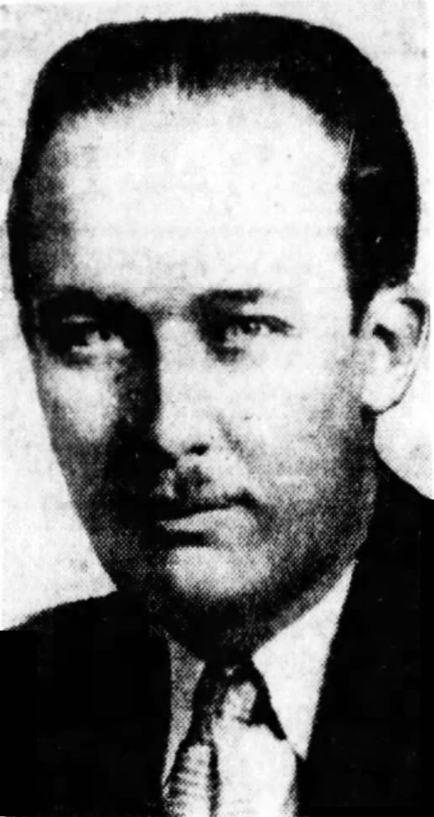
It is October 15, 1973, and the lobby of the United States District Court in Brooklyn is unusually busy. A 27-year-old Donald Trump walks through the front doors alongside Roy Cohn, the most feared attorney in New York — a man who built his reputation defending Senator Joseph McCarthy and who has never, in thirty years of practice, accepted the premise that the government has the right to tell his client what to do. The Justice Department has just filed a federal civil rights lawsuit accusing the Trump Organization of systematically discriminating against Black and Puerto Rican rental applicants across 39 properties in Brooklyn and Queens. Donald Trump's response is not to settle, not to apologize, and not to negotiate. His response is to hire Roy Cohn and file a $100 million counterclaim against the United States government.
To understand why a 27-year-old real estate heir responds to a federal civil rights case with a nine-figure counterattack, it is necessary to go back twenty years — to a house in Jamaica, Queens, where a boy grows up learning that the appearance of defeat is indistinguishable from defeat itself. The Queens-to-Manhattan arc is a story about what Fred Trump builds, how Donald inherits it, and how a specific legal mentor transforms a real estate developer's instincts into a lifelong operational philosophy. Everything that follows in Donald Trump's public career — the Atlantic City casinos, the television show, the political campaigns, the legal battles — carries the structural DNA of these early decades in ways that contemporaneous reporting rarely articulates and that Trump himself never fully acknowledges.
LOCKED AFTER THE PREVIEW
What's in the rest of Day 2
- FRED TRUMP'S ORIGINS: BUILDING AN EMPIRE ON FEDERAL SUBSIDIES
- MILITARY SCHOOL: THE COMPETITION FOR SURVIVAL
- WHARTON, VIETNAM, AND THE DRAFT
- ROY COHN: THE FIXER WHO MADE HIM
- THE GRAND HYATT: THE FIRST MANHATTAN DEAL
- TRUMP TOWER: THE PHYSICAL EMBODIMENT OF THE BRAND