WORLD WAR TWO - DAY 2 OF 6 · ~19 MIN
Blitzkrieg and the Fall of Europe
The Polish town of Wielun sits in central Poland, 12 miles from the German border. On August 31, 1939, its citizens go to sleep in a country at peace — tense, knowing the newspapers are reporting German troop movements, but at peace. The Polish army has been partially mobilized; there are soldiers in the country. There are no soldiers in Wielun.
Contents — 7 sections
- OPENING SCENE
- THE INVASION OF POLAND
- THE FALL OF FRANCE
- DUNKIRK: MIRACLE OR DEFEAT?
- THE BATTLE OF BRITAIN
- THE BLITZ AND CIVILIAN WAR
- VICHY FRANCE AND THE OCCUPIED CONTINENT
OPENING SCENE

The Polish town of Wielun sits in central Poland, 12 miles from the German border. On August 31, 1939, its citizens go to sleep in a country at peace — tense, knowing the newspapers are reporting German troop movements, but at peace. The Polish army has been partially mobilized; there are soldiers in the country. There are no soldiers in Wielun.
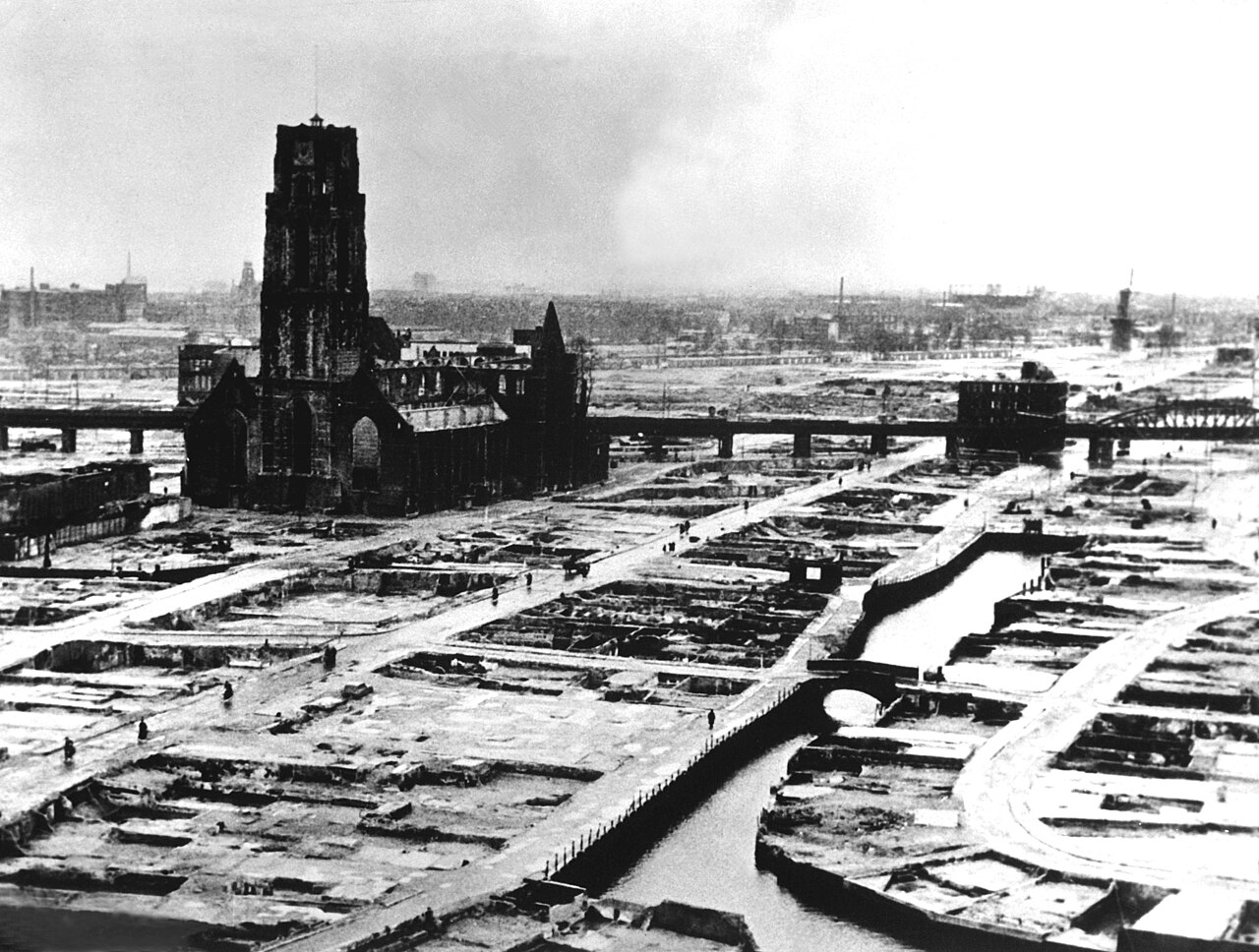
At 4:40 AM on September 1, 1939, a formation of German Heinkel He 111 bombers arrives over the town. The first bombs hit the hospital — marked with a Red Cross. Then the marketplace. Then the residential streets. Approximately 75 percent of Wielun's buildings are destroyed in the first raid. Approximately 1,200 people — roughly 8 percent of the town's population — are killed in the first few hours. There is no air raid warning. There is no time to reach shelters. There is no military target.

Wielun is not the famous opening of World War Two. The famous image is the Schleswig-Holstein shelling Westerplatte, which happened five minutes later. But Wielun came first, and it tells you something important about how Germany intended to conduct this war: civilian populations were not incidental casualties. They were targets, chosen to break morale before any soldier met any soldier.
The British and French ambassadors in Berlin delivered their ultimatums on September 3. Germany did not respond. At 11:00 AM British time, Prime Minister Neville Chamberlain broadcast to the nation that Britain was now at war with Germany. "This is a sad day for all of us," he said, "and to none is it sadder than to me."
LOCKED AFTER THE PREVIEW
What's in the rest of Day 2
- THE INVASION OF POLAND
- THE FALL OF FRANCE
- DUNKIRK: MIRACLE OR DEFEAT?
- THE BATTLE OF BRITAIN
- THE BLITZ AND CIVILIAN WAR
- VICHY FRANCE AND THE OCCUPIED CONTINENT