WORLD WAR TWO - DAY 3 OF 6 · ~17 MIN
The War Goes Global
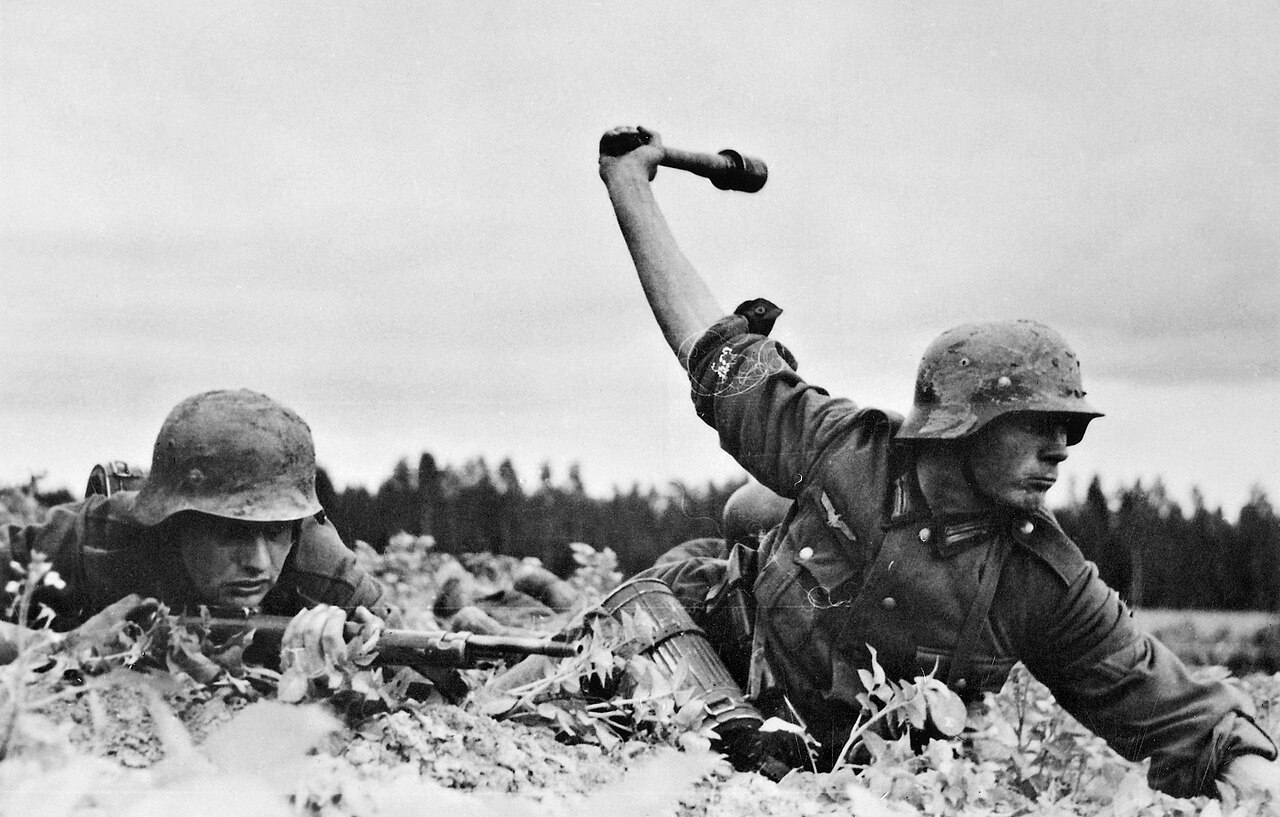
At 3:00 AM on June 22, 1941, German artillery and air forces are in position along the entire Soviet frontier. German diplomatic staff in Moscow have been informed that war will begin in hours. The Soviet ambassador in Berlin is summoned to receive the declaration of war — but the attack is already underway before he arrives.
Contents — 6 sections
- OPENING SCENE
- OPERATION BARBAROSSA
- PEARL HARBOR
- THE UNITED STATES ENTERS THE WAR
- THE HOLOCAUST
- THE BATTLE OF THE ATLANTIC
OPENING SCENE

At 3:00 AM on June 22, 1941, German artillery and air forces are in position along the entire Soviet frontier. German diplomatic staff in Moscow have been informed that war will begin in hours. The Soviet ambassador in Berlin is summoned to receive the declaration of war — but the attack is already underway before he arrives.
Soviet border troops begin radioing to headquarters: aircraft crossing the border, artillery fire, tanks. The responses from Moscow are confused. Some commanders are told to hold their fire — this may be a provocation, the situation must be clarified before shooting. Some radios go silent because the German air strikes have already cut communications. The first German bombs hit Soviet airfields before dawn. On the first day, the Luftwaffe destroys approximately 1,800 Soviet aircraft — the majority on the ground, lined up in neat rows as they had been for a peacetime inspection.

Stalin's response in the first hours of the invasion was paralysis. He had received specific intelligence from multiple sources — British signals intelligence (derived from ULTRA decryptions), the Soviet spy Richard Sorge in Tokyo, and his own military intelligence — warning of an imminent German attack. He had dismissed all of it. Some historians (David Glantz, Robert Gellately) argue Stalin believed he could delay the German attack through appeasement — Soviet deliveries of grain and oil to Germany continued until days before Barbarossa. Others (Simon Sebag Montefiore) argue Stalin's paralysis in the first hours was genuine psychological shock at the scale of his miscalculation. The documentary record shows he did not issue orders to the military high command until several hours after the attack began, and that his first public broadcast to the Soviet people did not come until July 3 — eleven days into the invasion.
The Soviet Union was not simply surprised. It was structurally unprepared. Stalin's purge of the Red Army officer corps in 1937–1938 had removed 3 of 5 marshals, 13 of 15 army commanders, 50 of 57 corps commanders, and approximately 35,000 officers at various levels. The men who replaced them were younger, less experienced, and understandably cautious about challenging their superiors' decisions. The Red Army that faced the most powerful land offensive in history was an army whose leadership had been systematically gutted four years earlier.
LOCKED AFTER THE PREVIEW
What's in the rest of Day 3
- OPERATION BARBAROSSA
- PEARL HARBOR
- THE UNITED STATES ENTERS THE WAR
- THE HOLOCAUST
- THE BATTLE OF THE ATLANTIC